History of Castel Sant'Angelo
Documented episodes that shaped Rome and the papacy
Few buildings in Europe have witnessed as much consequential history as Castel Sant'Angelo. Built between 135 and 139 AD as the mausoleum of Emperor Hadrian, it has been a Roman tomb, a Gothic stronghold, a papal fortress, an opulent residence, the most feared prison in Italy, and the last refuge of popes under siege. The same walls have held emperors' ashes and the worst-feared occultist of the Enlightenment.
The episodes below are not the only dramatic events in the castle's 1,900 years, but they are the ones that consistently mark its name in art, literature, and political memory. Each happened on a different floor of the same building, separated by centuries — and all of them are still visible to visitors today.
Browse the full 24-milestone timeline
From the deposition of Hadrian's ashes in 139 AD to the establishment of the National Museum in 1925 — the complete documented history of Castel Sant'Angelo, based on the official chronology of the Direzione Musei Nazionali di Roma. Twenty-four key milestones across five eras: Roman, Medieval, Renaissance, Baroque, and Modern.
Open the timeline →A fortress through the centuries
These episodes span more than two centuries. Each one captures the castle in a different role.
The story begins, in fact, before the castle itself existed as a fortress. In 134 AD, Emperor Hadrian completed Ponte Sant'Angelo, a bridge built specifically to provide monumental access to his new mausoleum. The bridge is older than every dramatic episode that followed, and has framed the castle for nineteen centuries.
In 1527, Pope Clement VII rushed through the Passetto di Borgo as Lutheran soldiers tore through the city below. The castle was a refuge — the only ground still in papal hands as Rome was sacked for eight days.
Eleven years later, in 1538, the same castle was a prison. Benvenuto Cellini — Florentine sculptor and goldsmith — escaped his cell by tying bedsheets together and lowering himself down the outer wall. He broke his leg on landing and wrote the whole story decades later in his autobiography, one of the founding texts of Italian Renaissance literature.
In 1599, the bridge directly beside the castle was a public execution ground. The young noblewoman Beatrice Cenci was beheaded there for the killing of her abusive father, in a trial whose details — and whose injustice — would inspire Shelley, Stendhal, Dumas, and four centuries of artists.
And in 1789, the castle was an inquisitorial prison. The most famous impostor of the eighteenth century, Count Alessandro Cagliostro — alchemist, freemason, traveling magician — was locked in a fresco-covered cell now known by his name. He died in prison in San Leo six years later, having never left Italy.
The stories
Long-form narratives, fact-checked against primary sources, with the surviving rooms you can visit today.
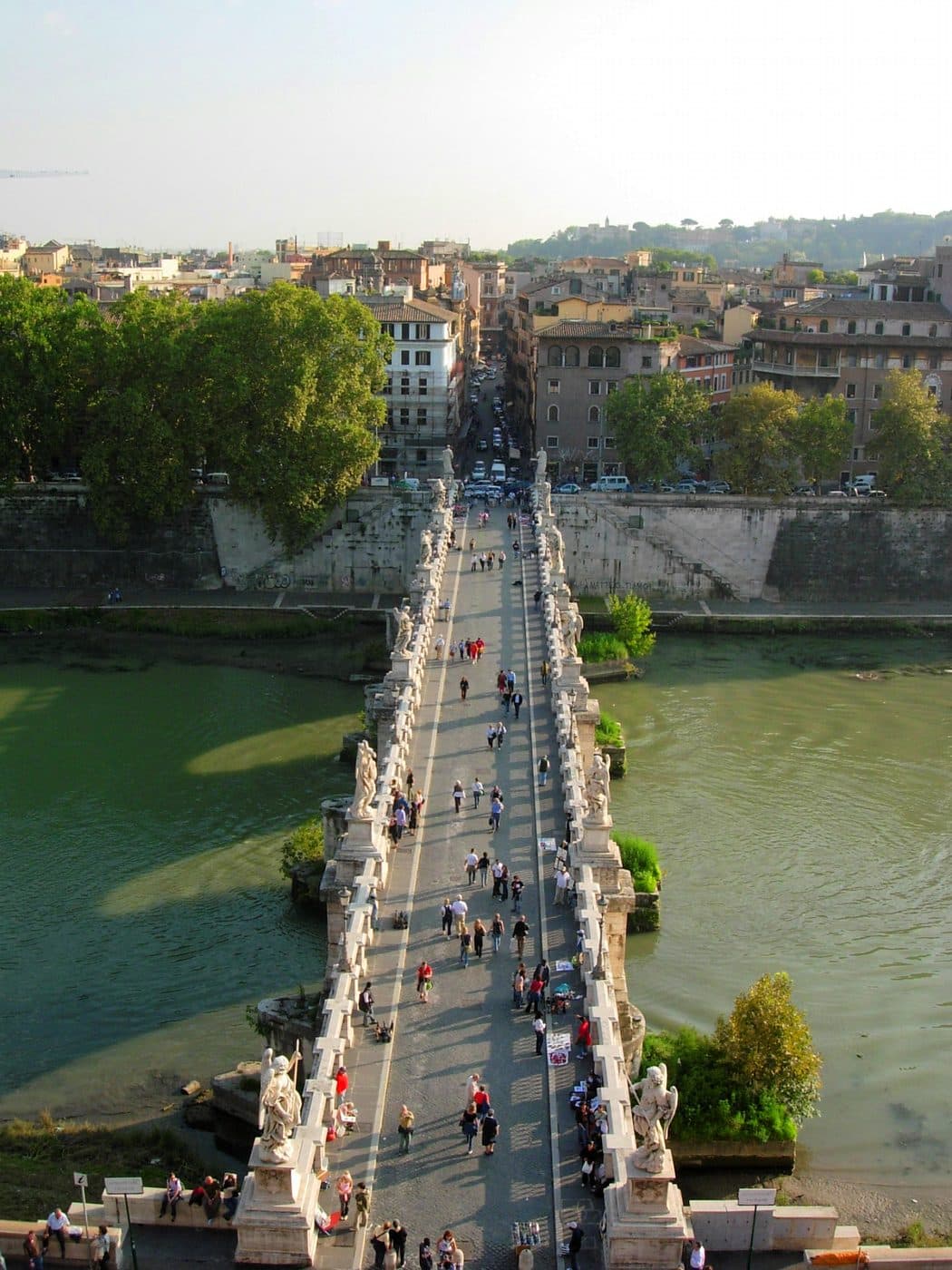
Ponte Sant'Angelo
The Roman bridge built by Hadrian in 134 AD as the monumental approach to his mausoleum. Renamed in the sixth century after a vision of the Archangel Michael, redesigned in the seventeenth by Bernini with ten Baroque angels carrying the instruments of the Passion, and the site of the 1450 Jubilee tragedy and three centuries of public executions.
Read the story →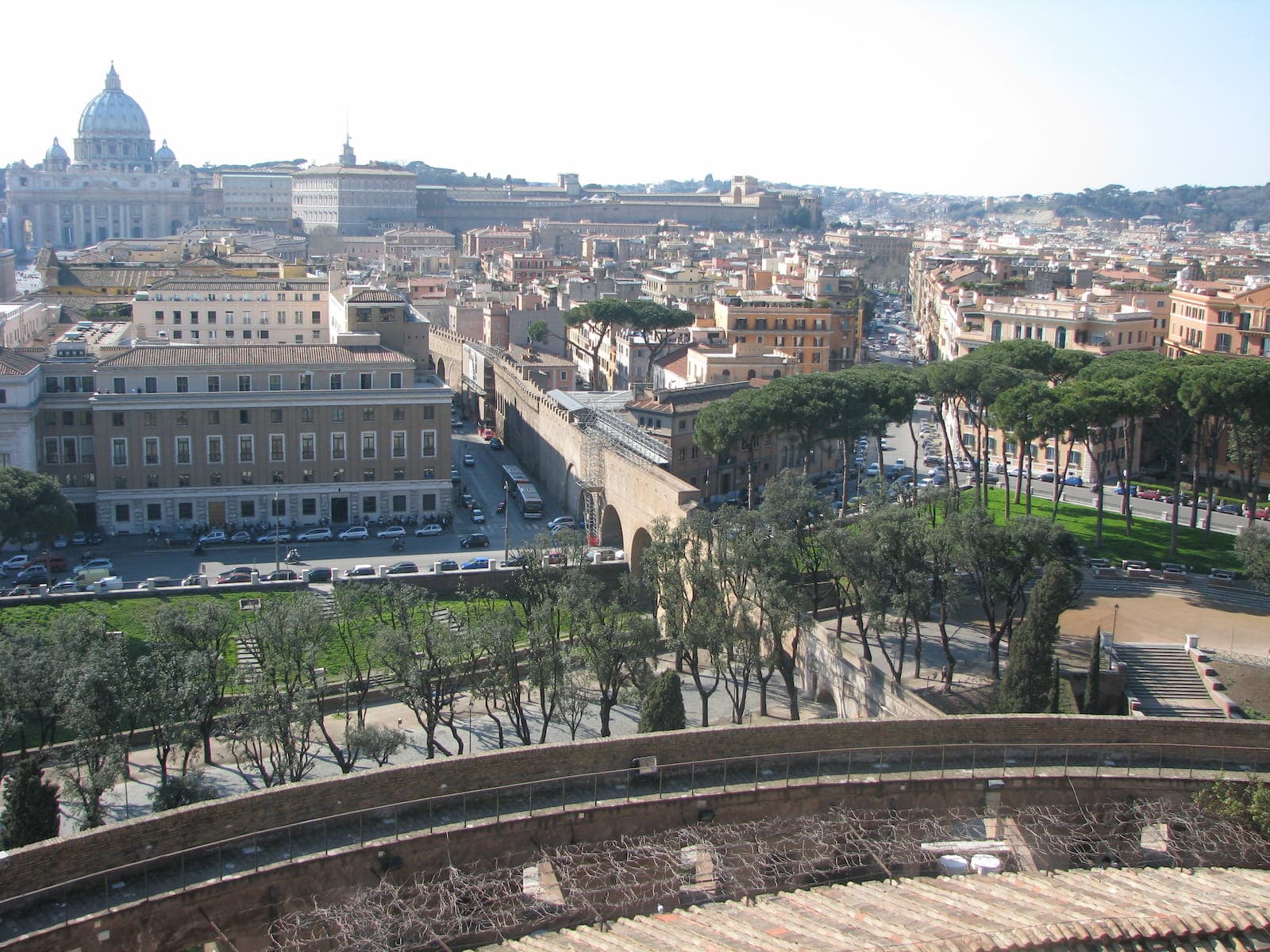
The Passetto di Borgo
The 800-metre fortified corridor that twice saved the papacy. Built by Pope Nicholas III on top of the ninth-century Leonine Walls, the Passetto allowed popes to flee from the Vatican to Castel Sant'Angelo in moments of crisis. After a major restoration, it reopened to the public in late 2024.
Read the story →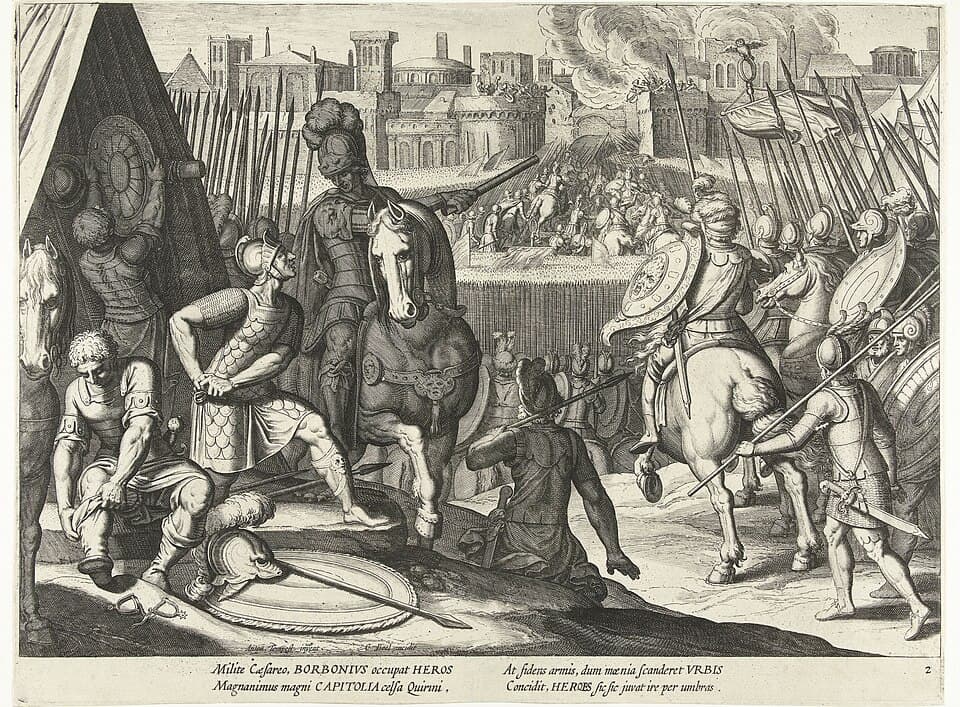
The Sack of Rome
When the mutinous imperial army of Charles V overran Rome, Pope Clement VII fled through the Passetto di Borgo as the city burned. For seven months, Castel Sant'Angelo was the only ground still in his hands.
Read the story →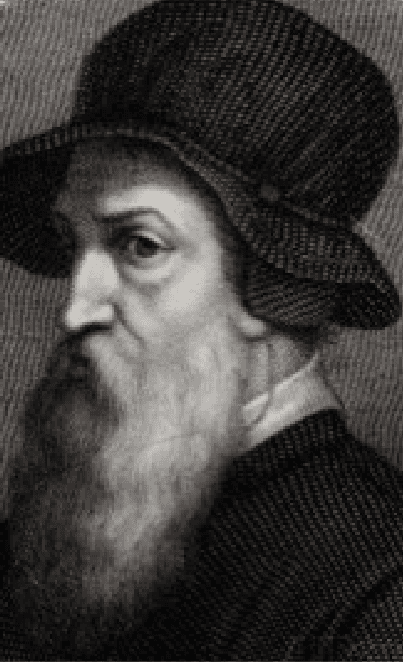
Cellini's Escape
The Renaissance sculptor and goldsmith, author of the Perseus of Florence, broke out of the castle by descending its outer wall on knotted sheets. He broke his leg on landing — and wrote the whole story himself.
Read the story →
Beatrice Cenci
A young Roman noblewoman, executed on the bridge beside the castle in 1599 for the killing of her abusive father. Her story inspired Shelley, Stendhal, Dumas, and four centuries of artists.
Read the story →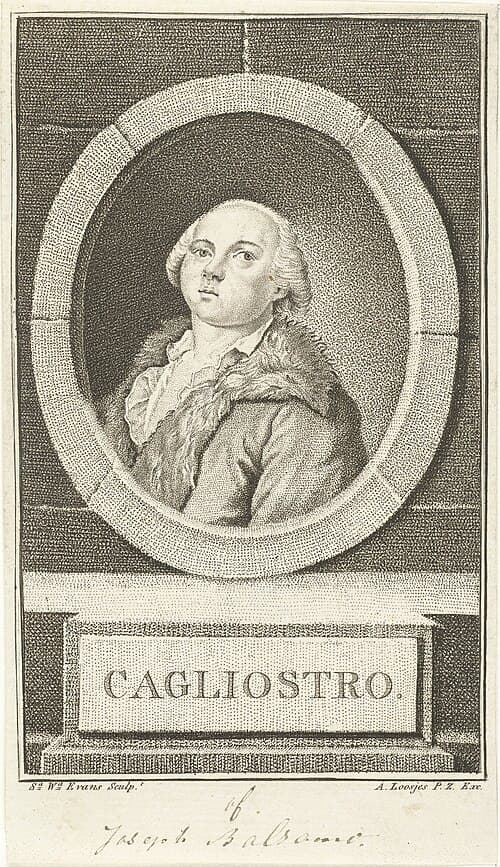
Count Cagliostro
The most famous impostor of the eighteenth century — alchemist, freemason, and self-declared magician — was arrested in Rome and locked in a fresco-covered cell of the castle. He never left Italy alive.
Read the story →Why this castle, this place
Castel Sant'Angelo sits at one of the most strategic points in Rome: the right bank of the Tiber, immediately next to the Vatican, at the end of the bridge Hadrian built in 134 AD to lead to his own tomb. That geography is what made it successively a tomb, a fortress, a refuge, and a prison.
The official timeline of the monument, published by the Direzione Musei Nazionali di Roma, identifies twenty-four key milestones between 139 AD and 1925 — from Hadrian's death and the Aurelian inclusion within the city walls in 271, through the construction of the Passetto under Nicholas III (1277-1280), to the Renaissance papal apartments commissioned by Paul III and decorated by Perin del Vaga's team between 1545 and 1547, and finally the conversion to a national museum in 1925.
The stories below all happened during one specific window of that timeline: the period when the castle had already been transformed into the most secure building in Rome, but had not yet become a museum. From roughly 1500 to 1870, it was simultaneously a fortress, a treasury, a papal residence, and a prison — sometimes all on the same day.
Frequently asked questions
Why did so many famous historical episodes happen at Castel Sant'Angelo?▾
What is the oldest documented episode at Castel Sant'Angelo?▾
Was Castel Sant'Angelo a prison?▾
What is the Passetto di Borgo and why does it matter?▾
Who was the most famous executioner at Castel Sant'Angelo?▾
What can I see today of these historical episodes?▾
See these places in a real visit
All the rooms mentioned in these stories are still part of the modern museum route. The Cagliostra is on the Renaissance level. The Sala Paolina, decorated by Perin del Vaga's team after the Sack of Rome, is steps away from where Pope Clement VII sheltered. The prisons where Cellini was held are accessible on the lower levels. And the bridge where Beatrice Cenci was executed — Ponte Sant'Angelo — is the same bridge you cross to enter the castle.
Practical resources to plan a visit anchored in this history:
- All tours of Castel Sant'Angelo — guided, private, skip-the-line. Look for tours that include the Passetto di Borgo if you want to walk the escape route used by Clement VII.
- Tickets and prices — official entry costs, reduced fares, the free first Sunday of the month.
- Opening hours — the castle is closed on Mondays and the box office closes one hour before the museum.
- Accessibility — wheelchair access, elevator, and what to expect from the historic flooring.
More history coming
We're working on a long-form piece on Mastro Titta — the official executioner of the Papal States who carried out 514 condemnations from 1796 to 1864 and kept a diary of every single one, with most of them taking place at the eastern foot of Ponte Sant'Angelo. Other pieces in preparation: Bernini and the redesign of Ponte Sant'Angelo as Vatican architect, and the Tosca opera connection to the castle's upper terrace.
About this page
Edited by Gabriel G, a Google Maps Local Guide (Level 8) who has contributed reviews, photos, and corrections to Rome's cultural heritage sites over several years.
All historical content is verified against primary and institutional sources: the official brochure and 24-milestone timeline from the Direzione Musei Nazionali di Roma (dmnrm), CoopCulture (official ticket concessionaire of Castel Sant'Angelo), the Italian Ministry of Culture, and where relevant the Dizionario Biografico degli Italiani (Treccani).